Quick facts
- Temple: Wat Phra That Doi Yuan Kham
- Province: Shan State, Myanmar
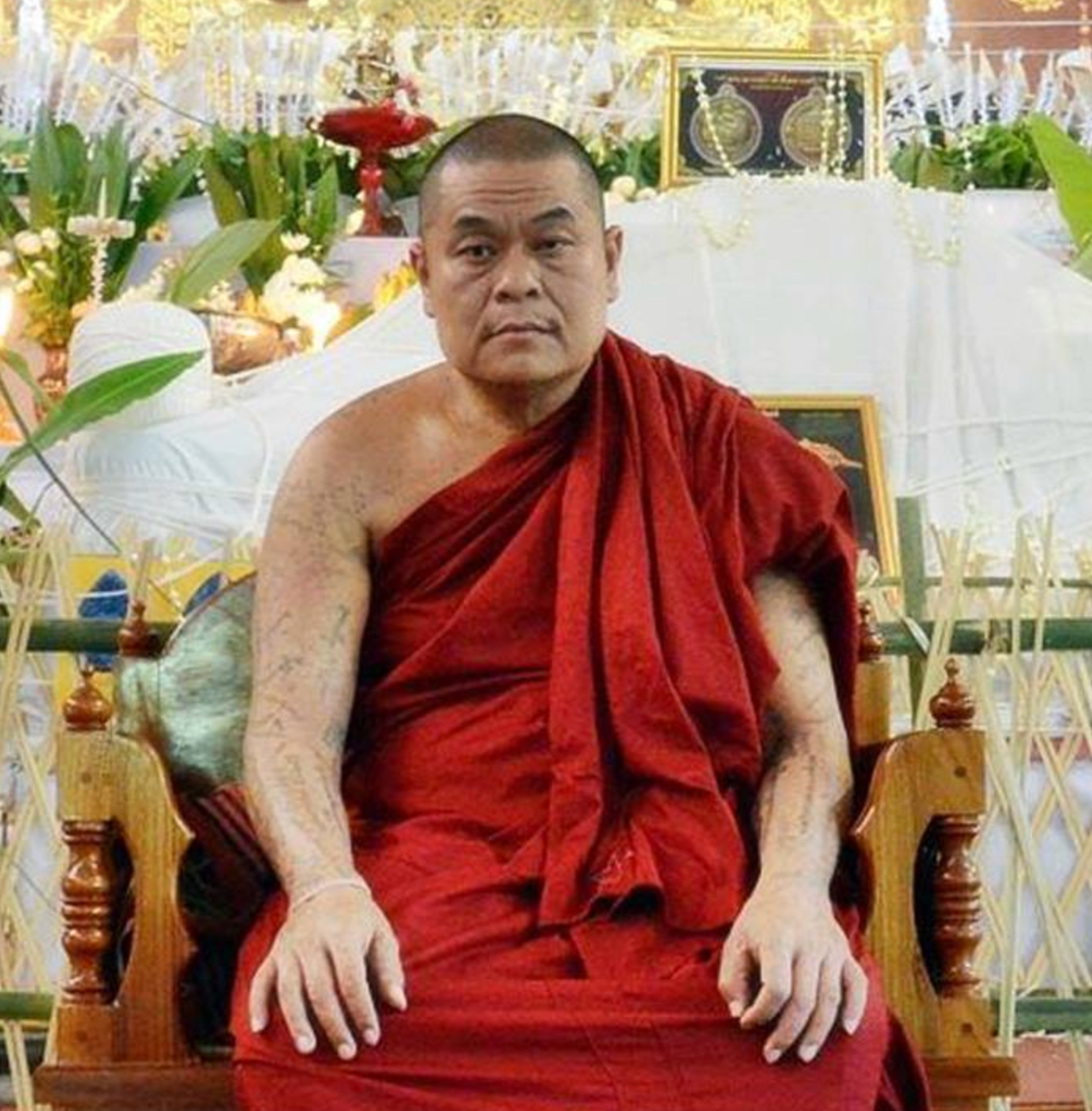
Also remembered as Chao Sala Kruba Pandita, Kruba Sala Pandita was a respected Tai Yai master tied to Wat Phra That Doi Yuan Kham in Muang Phong, Shan State, Myanmar. His practice grew out of the older Tai Yai world of meditation, sacred herbs, yantra, blessings and protective wicha. Devotees in the Shan, Lanna and northern Thai traditions still associate his name with potent herbal amulets and consecrated powders.
The Path of Sacred Knowledge
Vipassana meditation, Buddhist sacred arts and Tai Yai herbal lore formed the foundation of his spiritual path. The wicha he practised brought together disciplined training and the making of sacred herbal materials, protective powders, blessing formulas and yantra. Old masters of the Shan region handed these methods down, and they were used to produce objects meant for protection, charm, prosperity and spiritual support.
Wicha of Sacred Herbs and Powders
Wan ya stands at the centre of this lineage: sacred herbs and medicines prepared according to Tai Yai formulas. Once blended with consecrated powders, the materials were used in amulets, herbal images, oils and ritual preparations. Collectors and devotees prized the formulas for their deep spiritual character and for their links to protection, good fortune, personal strength and success.
Amulets associated with his line include Pathamang Ang Kham, Mae Phueng Luang Chom Duang, Kam Boe Kham, Saraswati herbal powder, charm oils, Phra Siwali images and Hua Phi Lu sacred herbal amulets.
Phra Siwali Riding a Goat
Phra Siwali Riding a Goat is one of the distinctive forms of this tradition. Pieces are often formed from traditional Tai Yai herbal material, with a Duang yantra marked on the reverse. Phra Siwali is honoured as the foremost disciple in receiving support and offerings, and merchants, business owners and people seeking smoother opportunities have long cherished his image.
The form is respected for blessings of livelihood, trade, prosperity, favourable connections and steady progress. The goat itself is taken as a sign of movement, endurance and the strength to carry a person through life’s challenges.
Hua Phi Lu: Protection and Clearing Obstacles
Among the best-known protective forms in this tradition is the Hua Phi Lu, or Spirit Head amulet. Made from maha wan ya and sacred powder, it is carried against negative influences, bad luck, hostile intentions, spiritual disturbance and adverse omens.
It is also linked to the power to clear obstacles, restore confidence and place a stronger protective presence around the wearer, the home, a vehicle or a place of business. In Tai Yai sacred practice, this kind of amulet is valued not only as a guard against danger, but as a support for moving through difficult periods with greater stability.
Blessings of Good Fortune and Wealth
Sacred objects from Kruba Sala Pandita are especially respected for their connection with wealth, business and opportunity. Devotees keep them in the hope of smoother sales, more supportive people, stronger negotiation, improved personal appeal and greater harmony in work and trade.
In this tradition, the blessing of wealth is not limited to money. It also covers having the right people close by, receiving timely support, finding opportunities, making wiser decisions and keeping the strength needed to build a stable life.
Metta, Charm and Human Support
Metta maha niyom — being received with warmth, goodwill and respect — is a major feature of this lineage. Charm oils, herbal powders and sacred formulas linked to Kruba Sala Pandita have long been used to support personal appeal, improve communication and invite kindness from others.
That is why the tradition is especially meaningful for people in sales, business, leadership, negotiation and public-facing work. The aim is goodwill, better relationships and the confidence to speak and act with clarity.
Sacred Protection and Occult Practice
The protective side of Kruba Sala Pandita’s wicha joins Buddhist sacred power, herbal knowledge, yantra and the ancient spirit traditions of the Tai Yai people. His amulets are respected as protection from harmful energy, black magic, jealousy, bad omens and unseen dangers.
Such objects were traditionally kept close to the body, placed in the home, carried in vehicles or used in business settings. Some herbal preparations were also mixed with water for washing, sprinkling or blessing spaces, in order to clear heaviness and restore auspicious conditions.
Saraswati and the Blessing of Wisdom
Saraswati herbal powder in this lineage points to another important side of Kruba Sala Pandita’s work: wisdom, creativity, knowledge and success. Saraswati is honoured as a source of learning, skill, eloquence and refined intelligence.
For students, business owners, artists and anyone whose work depends on communication, this blessing is especially meaningful. It is sought to support clear thinking, fluent speech, quick learning and sounder decisions.
Legacy
The sacred herbal amulets and spiritual knowledge associated with Wat Phra That Doi Yuan Kham continue Kruba Sala Pandita’s legacy. His work preserves a rich Tai Yai heritage in which meditation, herbal wisdom, Buddhist blessings and protective wicha meet.
Collectors and devotees still value his amulets because they carry the character of this older tradition: protection in difficult times, metta in human relationships, wisdom in decision-making and steady progress in life and livelihood.
Shop authentic amulets at OOB Amulets.