The temple
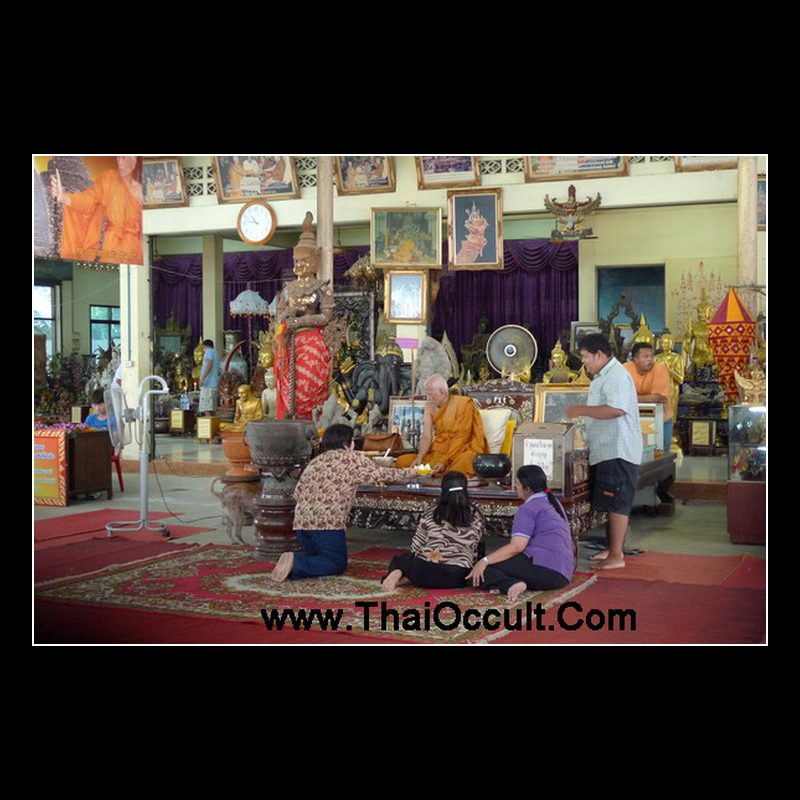
Wat Chedi Hoi (วัดเจดีย์หอย, the Temple of the Shell Chedi) is a village temple of the Maha Nikaya, in Ban Khlong Bang Luang, tambon Bo Ngoen, amphoe Lat Lum Kaeo, Pathum Thani. The registered address is 73 Moo 4, on rural road PT 3020, the Pathum Thani–Bang Len road. The grounds are recorded at 113 rai, 3 ngan and 8 square wa. It is open daily, with no entrance fee; published hours are usually 08:00 to 16:30, though some listings run to 17:00. The easiest approach from Bangkok is by car, via Lat Lum Kaeo.
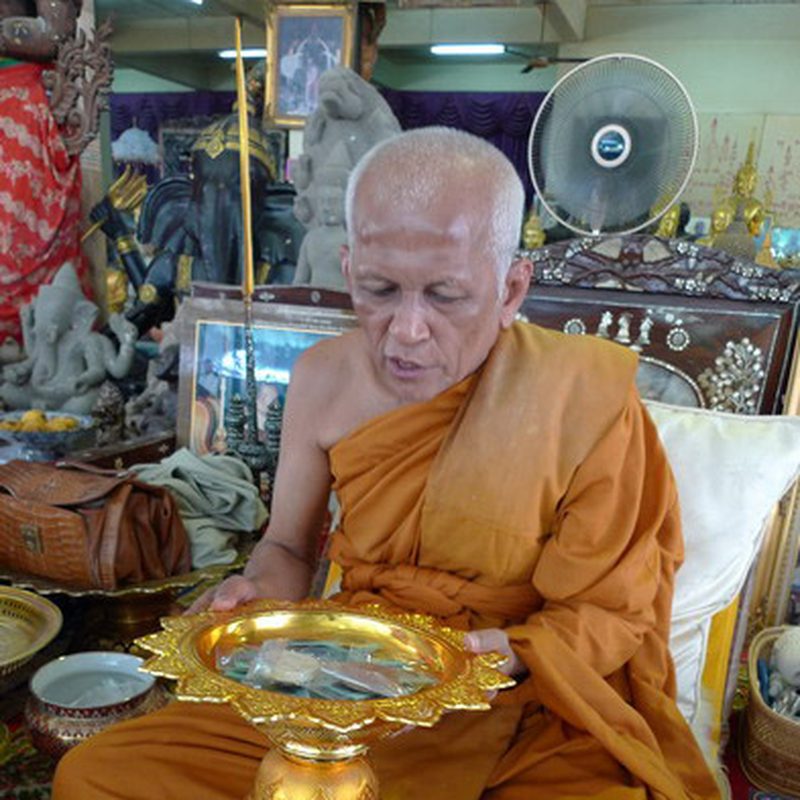
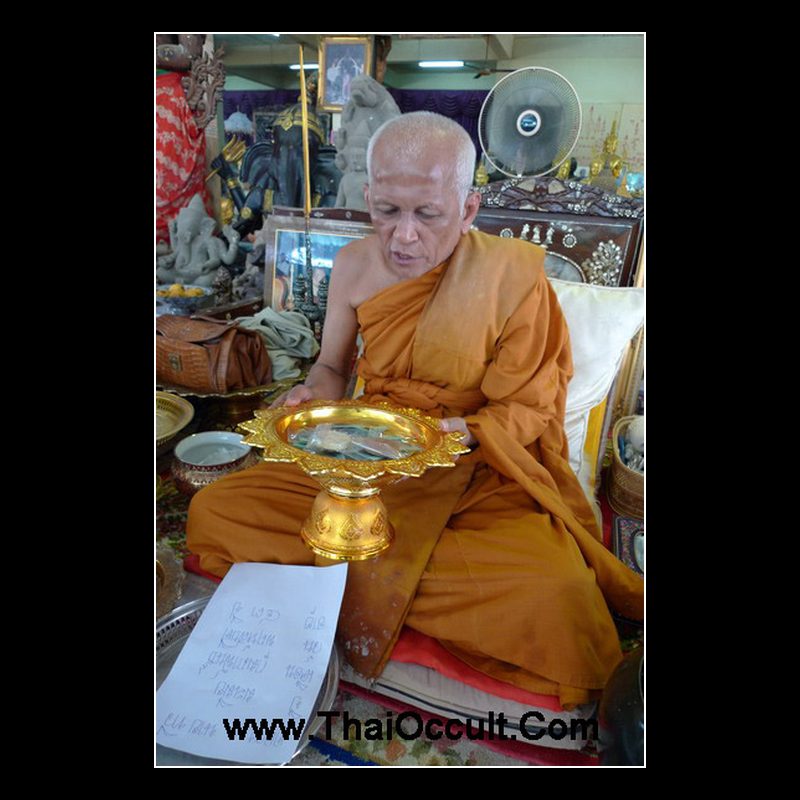
The site began as a small monastic retreat, with a simple hut for laypeople who came to make merit. The temple was officially established on 20 December B.E. 2531 (1988). Its founder and long-serving abbot is Phra Khru Sunthonkhunthada, known as Luang Phor Thong Klueng Suntharo — the monk I know as Lp Tongkern.
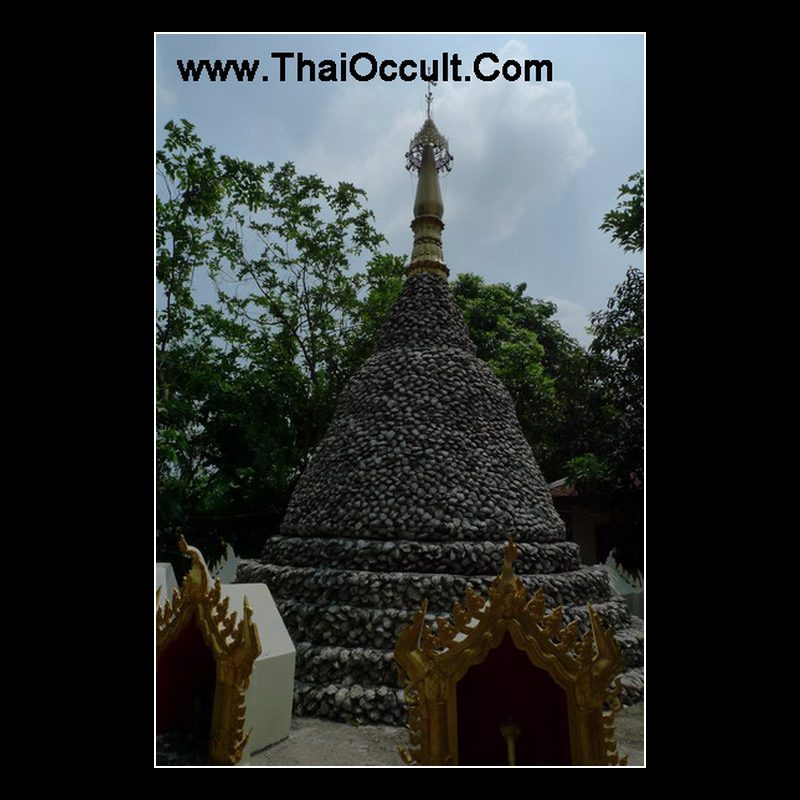
The name of the temple comes from its chedi of fossil oyster shells. While a pond was being dug to water a herbal garden, workers uncovered a great quantity of ancient giant oyster shells in the ground. The shells were gathered over a long period — one account says the search lasted twelve years and ended in B.E. 2538 (1995) — and from B.E. 2538 they were built into chedi at the entrance and inside the grounds. The land here was once under the sea, and the shells are traces of that earlier shore. Local tradition, following the abbot’s own account of a nimitta, holds that the place was an ancient city called Rattanawadi some eight million years ago. That is the temple’s story, not a settled archaeological finding.
In the ubosot the principal Buddha image is Luang Phor Phra Phutthanimit Rattanachana Mar, more often called Luang Phor Chana Mar. The temple also keeps a museum of Buddha images, antiquities and old household things, including a large tridacna, or giant clam, shell that Luang Phor Thong Klueng brought from Ranong. Tourism pages sometimes call it the largest in the world; that claim is the temple’s, and I have not confirmed it independently.
Lp Tongkern
Lp Tongkern is the name I use for the abbot. In Thai he is หลวงพ่อทองกลึง สุนทโร, with the ecclesiastical title พระครูสุนทรคุณธาดา. English spellings vary: Luang Phor Thong Klueng, Thongklueng, Thong Gleung, Tong Glerng, and others. The standard Thai is Thong Klueng (ทองกลึง).
A 2019 newspaper interview gives his age then as 77, with 56 rains, which aligns with a birth in B.E. 2485 (1942) in Pathum Thani. Collector listings record the date as 12 April B.E. 2485, at tambon Bang Kradi, Mueang district. He ordained at the age of 26, on 9 July B.E. 2512 (1969), at Wat Chinwararam Worawihan in Pathum Thani — the date given in that interview, and the one I follow here. Some amulet-dealer pages instead give an earlier ordination around B.E. 2505 (1962); I have not seen that date in the interview.
After the early years in robes he spent a long period as a disciple of Luang Phor Uttama of Wat Wang Wiwekaram, in Sangkhla Buri, Kanchanaburi, and also studied with teachers in Pathum Thani and Ayutthaya, among them Luang Phor Rod of Wat Krin, Luang Phor Seng of Wat Bang Na, and Luang Phor Thiam of Wat Kasatthirat. A fuller account of that path is in his biography.
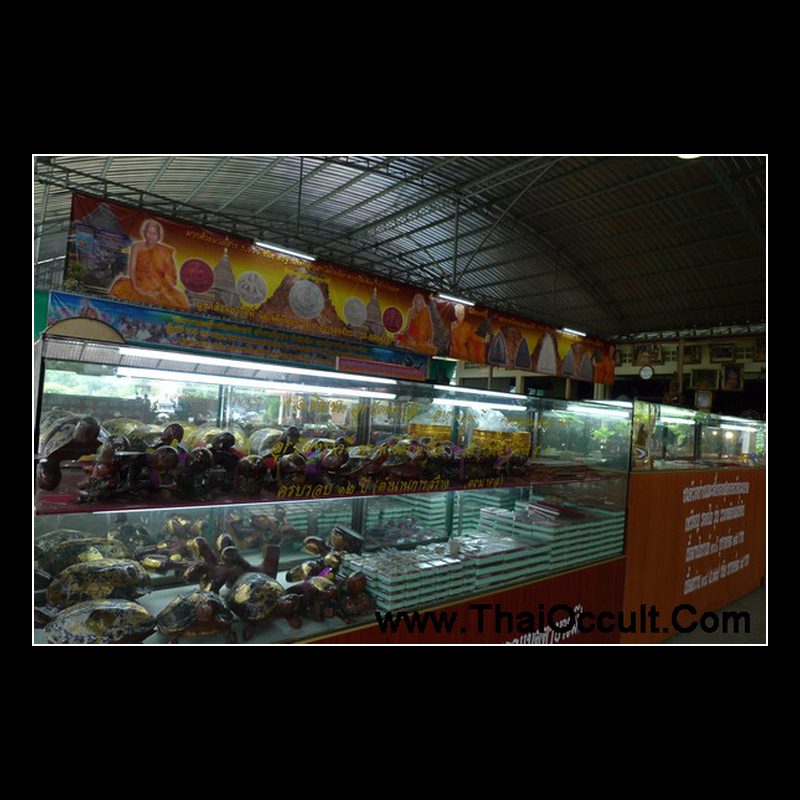
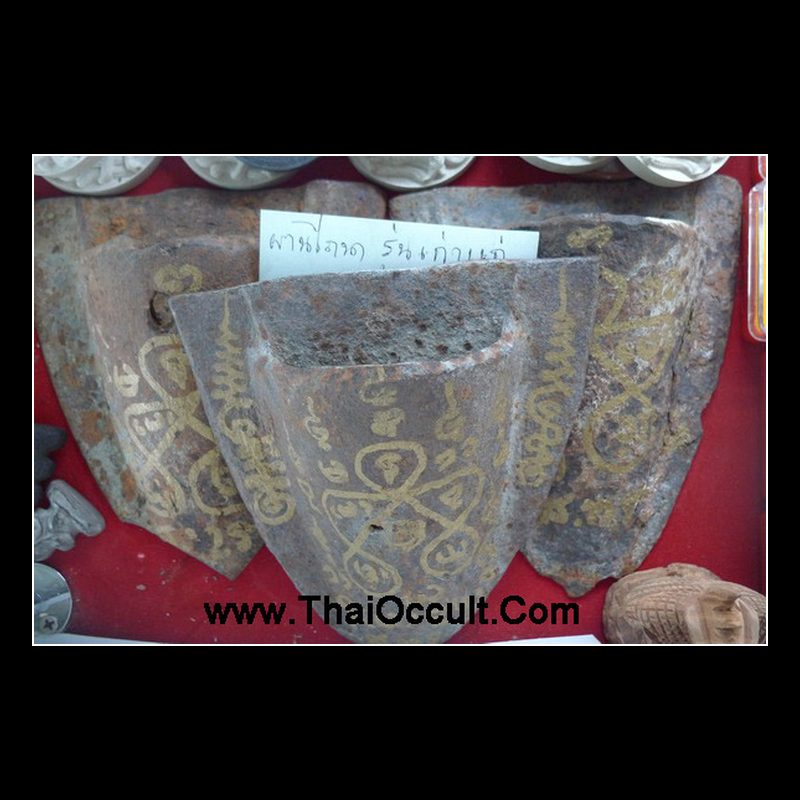
Around the years I was going there, his better-known pieces included recast ploughshare rian — rian pan, or lek thai na — from B.E. 2551 (2008), made from old plough metal, and earlier sacred-powder work such as Somdej and Phra Sangkajai. He was still listed as abbot of Wat Chedi Hoi at a kathin in B.E. 2567 (2024).
Commentary
His items were popular back in 2009, and I went to the temple to buy and sell pieces from there. To this day I still think Wat Chedi Hoi is worth visiting.
You’ll notice the old watermarks from 2009 are still on these photos. Back then my first shop was called thaioccult.com. I still own the address today, and over the years I’ve reworked it into the site you’re reading now, which I’m still updating.