Commentary
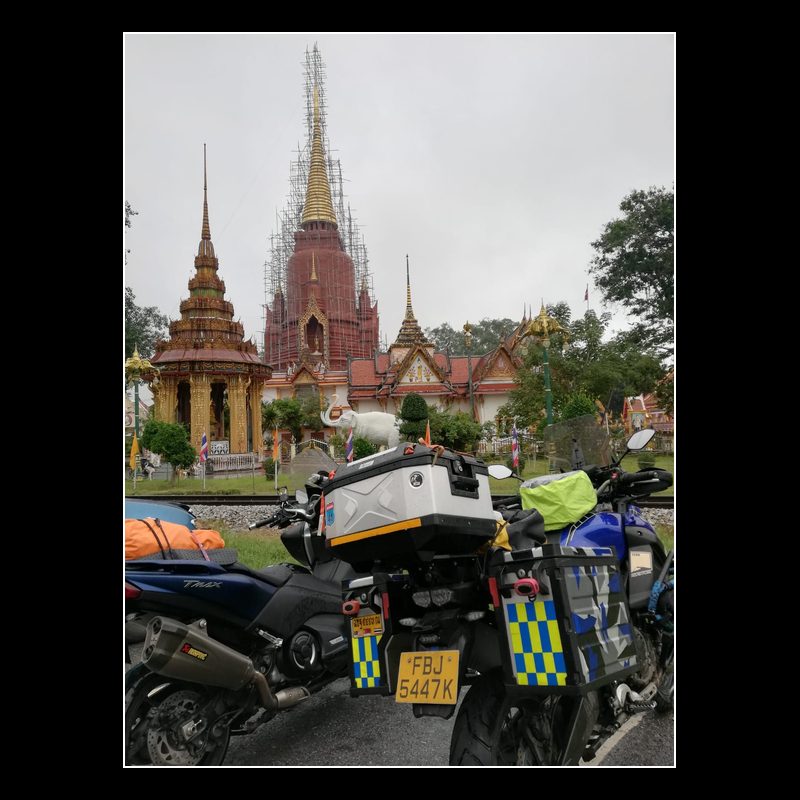
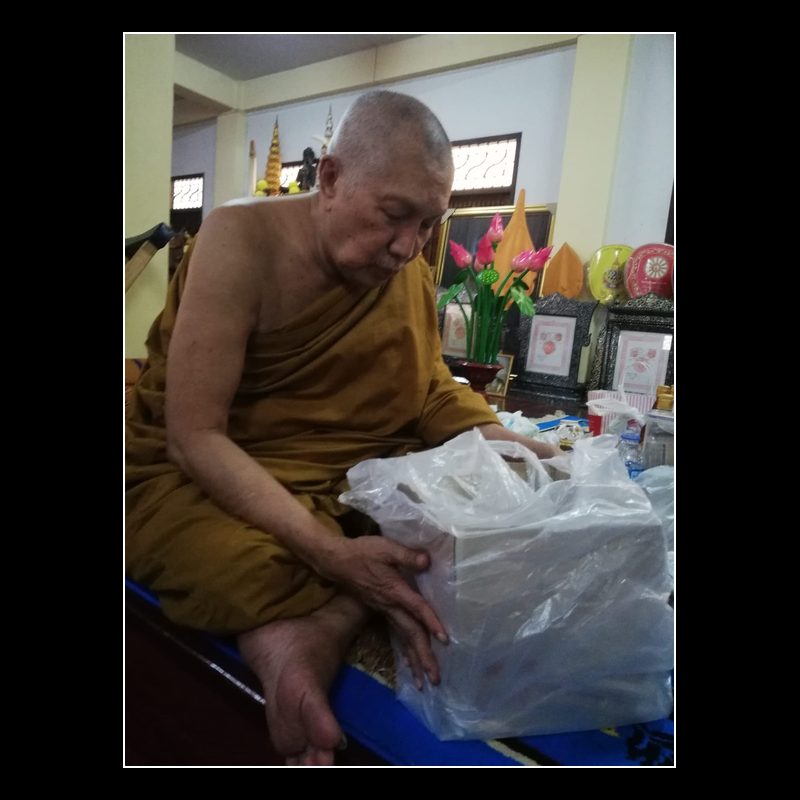
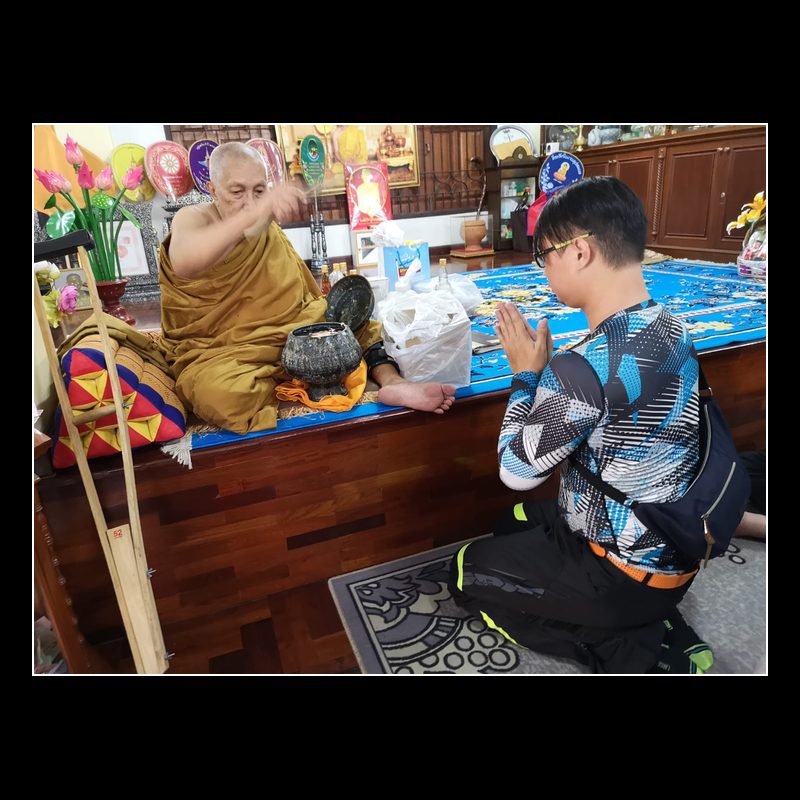
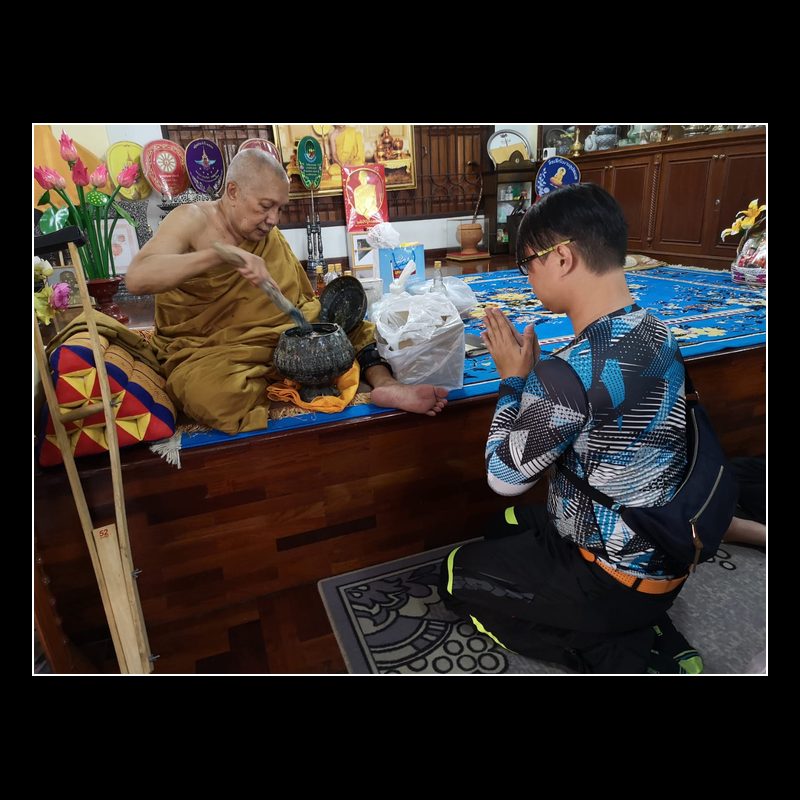
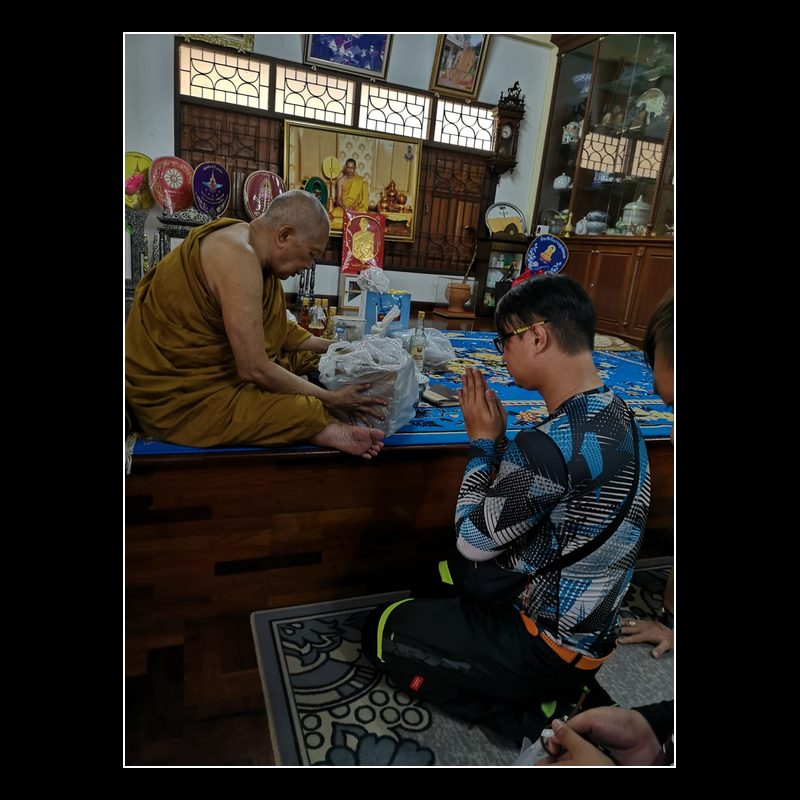
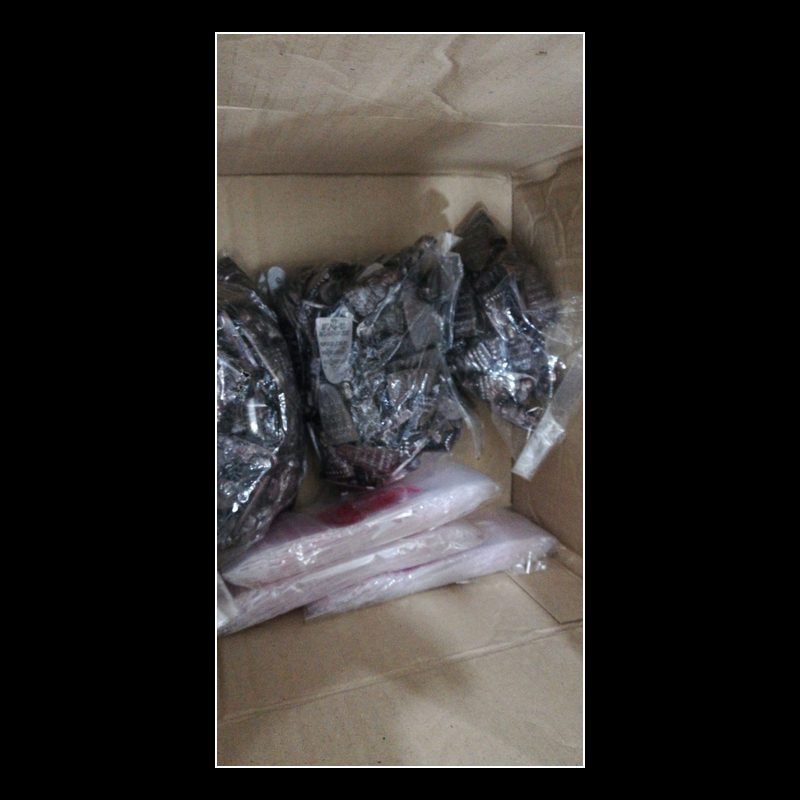
A friend of mine told me he was riding down to southern Thailand. He is a Thai amulet collector too. As he was passing Pattani — a rather dangerous region of Thailand — I asked if he was going to Wat Chang Hai. That year there was a batch of Lp Thuat which were very well chanted, in the sense that many famous masters of 2561 were going to be present. Since he asked if I wanted to get some amulets, I told him to get 250 pieces.
I did not have the time to get them wrapped until recently, and they are now on sale.
The temple
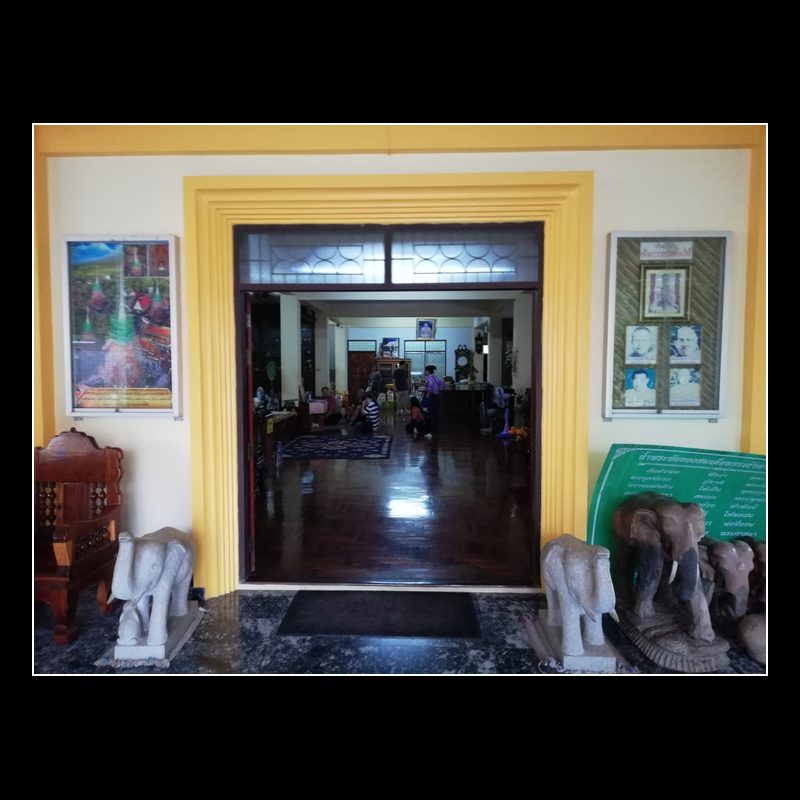
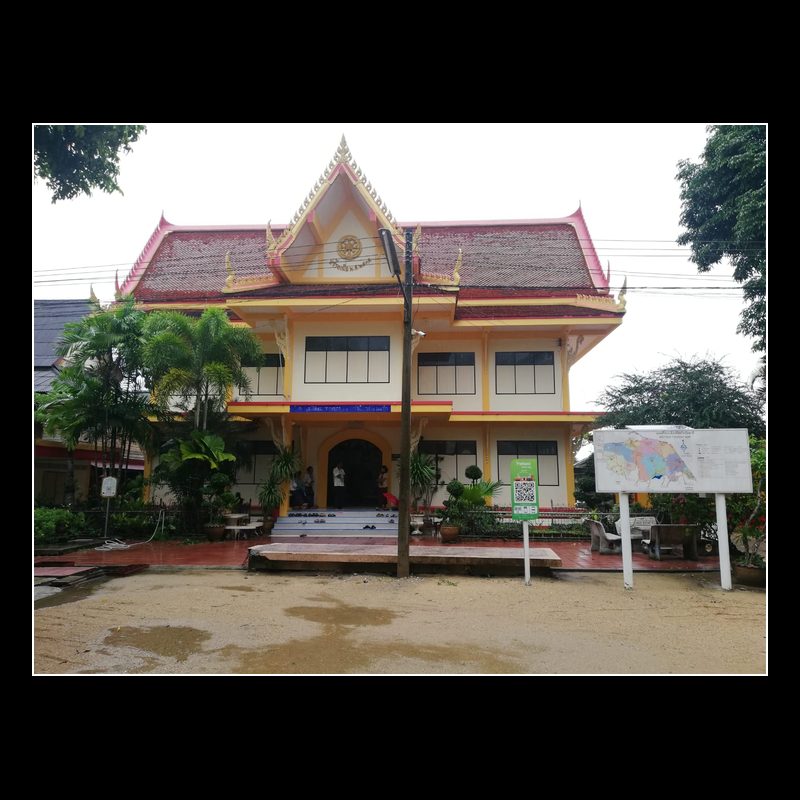
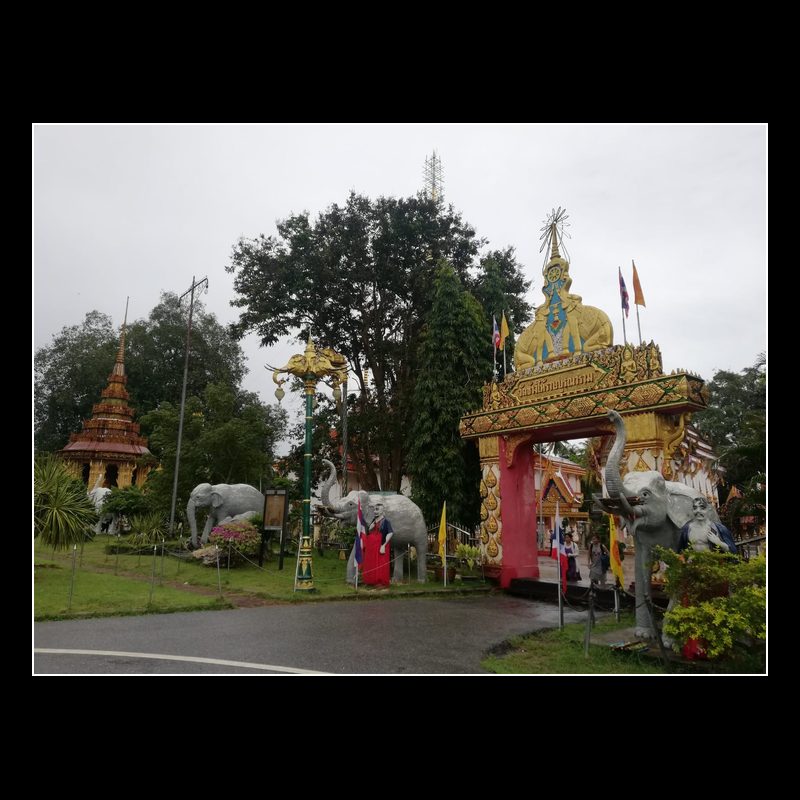
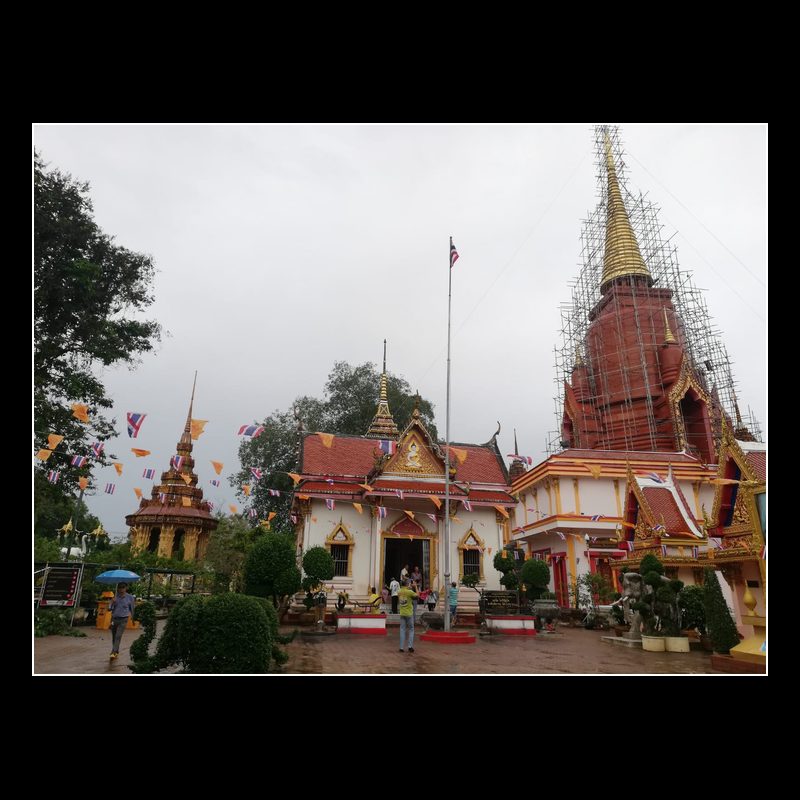
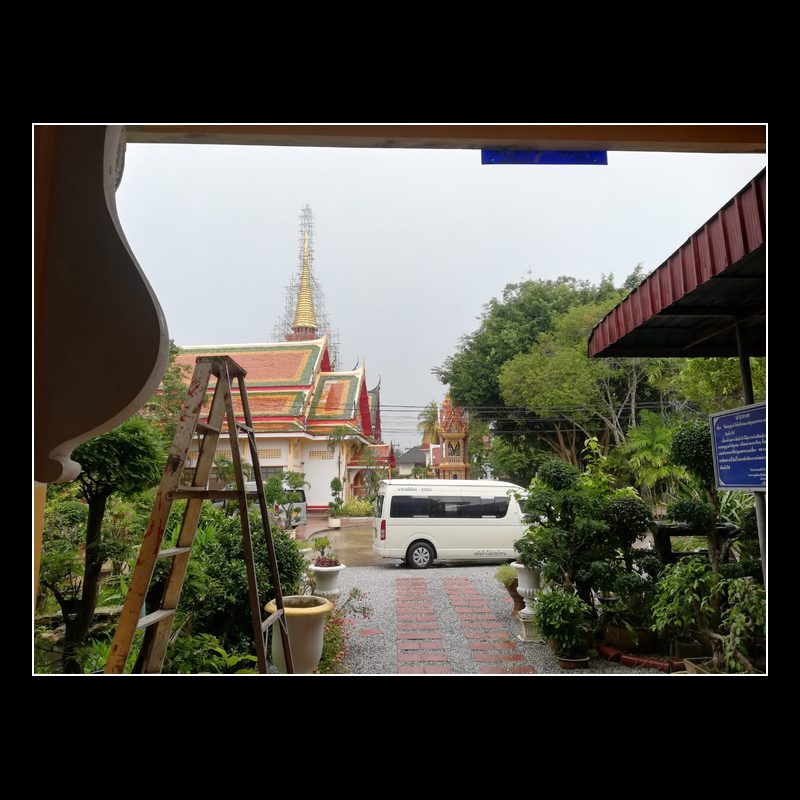
Wat Chang Hai (วัดช้างให้) stands in Khuan Nori, Khok Pho, Pattani. Official names vary in the records: it is often given as Wat Ratsadon Burana (วัดราษฎร์บูรณะ), and the shop listing for this batch also uses Wat Chang Hai Rat Buranaram. It is the principal shrine of the Luang Pu Thuat lineage in the south, and the stupa of his relics is kept on the grounds.
Local tradition, as set down in the Pattani chronicle compiled by Phra Sri Buri Rat Phiphit (Sit Na Songkhla), traces the founding to Phraya Kaem Dam, lord of Sai Buri. He is said to have followed an elephant in search of an auspicious site for a new town. The elephant circled a stretch of forest and cried out three times. His sister did not want the town built there, so a temple was founded instead, and called Wat Chang Hai — the temple the elephant had indicated. In that same tradition, Luang Pu Thuat was invited from Sai Buri as the first abbot. This is chronicle and temple tradition, not a date I can independently confirm.
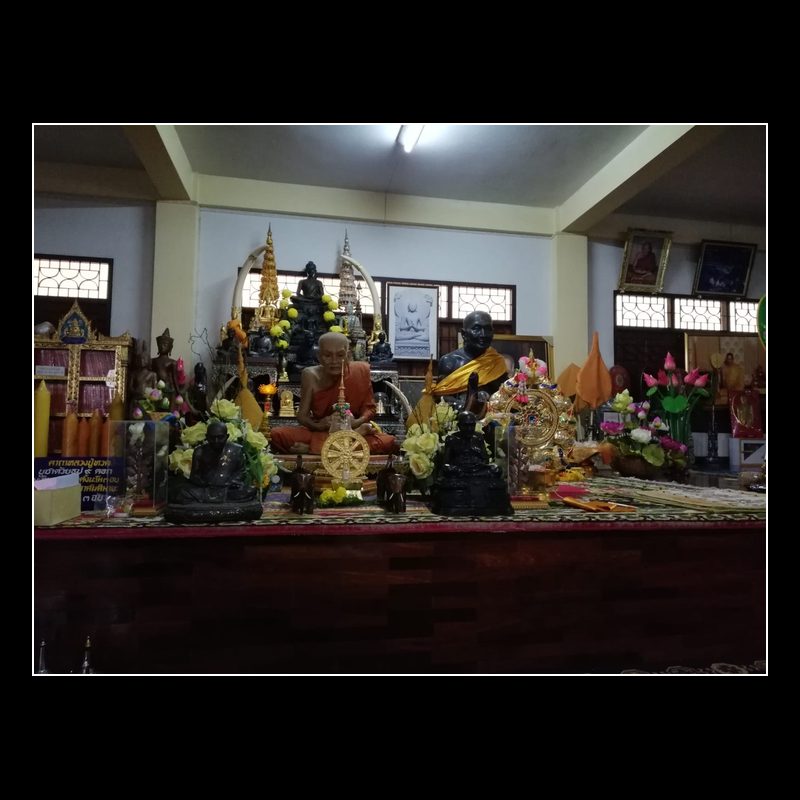
The temple is often described as more than three hundred years old. After Phra Khru Wisai Sophon — Ajahn Tim Dhammatharo — became abbot in B.E. 2484 (1941), he had the relics stupa built up so that people could come and pay respect. That stupa, which local people also call the kheuan of Luang Phor Tuad, remains one of the main points of pilgrimage at the temple.
Luang Phor Tuad
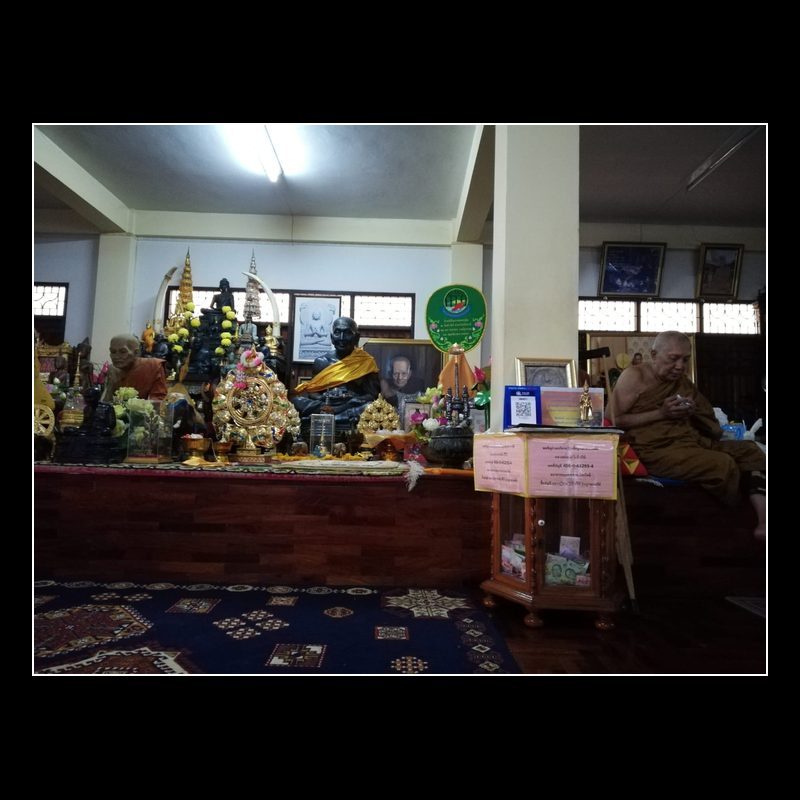
Luang Phor Tuad, or Luang Pu Thuat (หลวงปู่ทวด), is the legendary monk of this temple — the one who, in the traditional account, stepped on seawater and made it fresh. Amulets in his image are carried for safety, especially on the road, and for a protection that is trusted in moments of danger. His life as it is usually told belongs to the Ayutthaya period, some three centuries before the first amulets were made here. I have set that story out, with the uncertainties in the dates, on his monk page.
The first batch, B.E. 2497
The modern amulet tradition of Wat Chang Hai has a clear beginning. In B.E. 2497 (1954), Ajahn Tim, working with a patron, Anan Khananurak (อนันต์ คณานุรักษ์), created the first Luang Pu Thuat amulets, in herbal powder (nuea wan), to raise funds for the temple’s ubosot. Temple tradition holds that the form followed a vision of an aged monk seated in meditation on a lotus. Production is usually described as running from 19 March to 15 April B.E. 2497, from sixteen moulds, with about 64,000 pieces finished of a larger number first planned. The consecration is dated to 18 April B.E. 2497.
Accounts of who sat that first ceremony are not identical. Names that recur include Ajahn Nong of Wat Sai Khao, Luang Phor Song of Wat Phra Kho, and Luang Pu Chin of Wat Muang Yala. Other reports add further southern masters. I record those names as they appear in the published accounts, and I do not treat any one list as complete.
Under Ajahn Tim the temple also issued later pieces, including a first rian in B.E. 2500 (1957) and, in B.E. 2505 (1962), metal prints known as Lang Tao Reed and Lang Nangsue. He died on 30 November B.E. 2512 (1969). Official temple batches have continued since.
The official batch of B.E. 2561
The pieces my friend obtained for me belong to the official annual batch of B.E. 2561 (2018), issued and consecrated at Wat Chang Hai. The details below are taken from the temple issue as listed, a Lang Nangsue (book-back) print of the sitting Luang Pu Thuat:
- Name: LP Thuat (Luang Phor Tuad) Lang Nangsue, Wat Chang Hai, B.E. 2561
- Temple: Wat Chang Hai, Pattani
- Year: B.E. 2561 (2018)
- Materials: mix alloy, stamped in the Lang Nangsue (book-back) form
- Size: 1.3 inches, in a plastic casing
- The reverse, as described on the listing, carries traditional Khom lettering, together with the name of Luang Phor Tuad, Wat Chang Hai, and the year mark of 2561
The listing records that this Lang Nangsue form was first established at the temple in B.E. 2505. I have not independently confirmed every later catalogue date, but 2505 is the year generally given for the first metal book-back prints under Ajahn Tim.
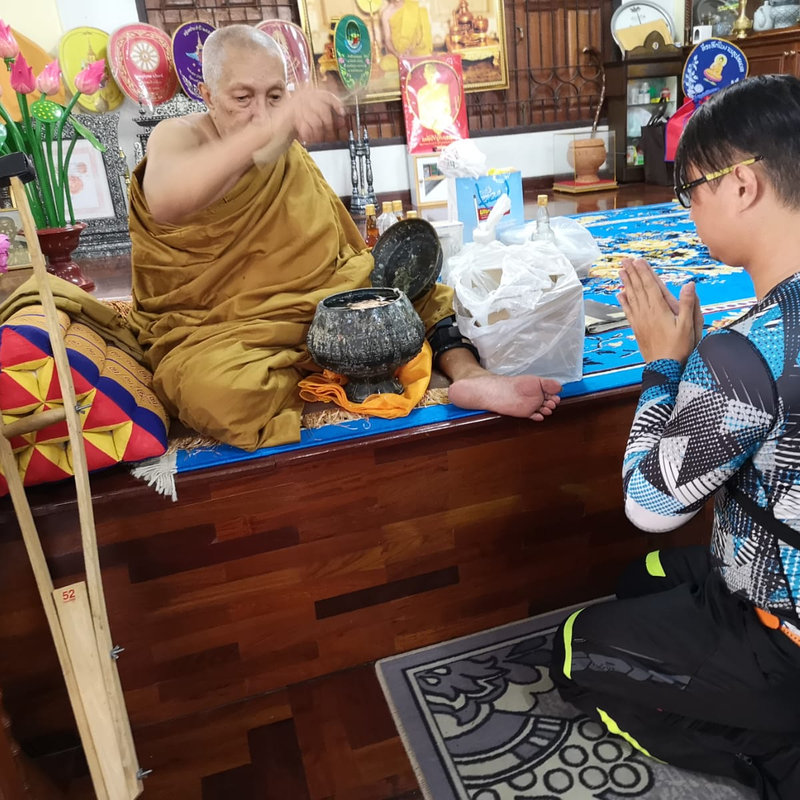
I was told that many famous masters of 2561 were going to be present for this batch, and that is why I asked my friend to get them — they were said to be very well chanted. I have not found a published roll of who sat the 2561 ceremony that I can confirm independently. The listing names southern masters of that era who carried the Luang Pu Thuat current, including LP Prom of Wat Phlanuwat (also written Wat Pranuphat or Wat Phalanuphap), LP Pong of Wat Jaeng in Phatthalung, Pho Than Khiao of Wat Huai Ngo, and LP Kaew of Wat Saphan Mai Kaen. Those names belong to the lineage of this tradition.