
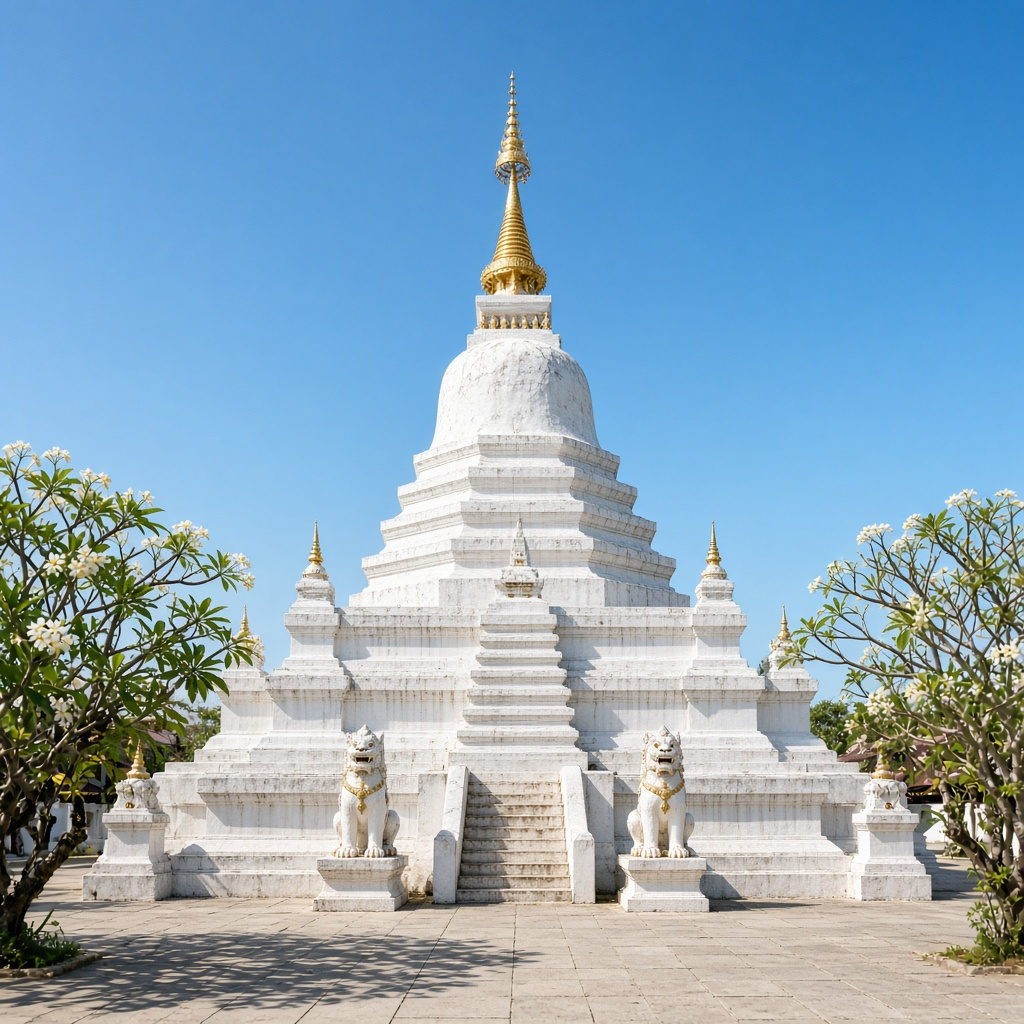
This pap-sa recitation is given for Phra Rod as a contribution, not as a confirmed temple katha. How it was used historically, if at all, is not known.
Thai text
ธมฺมสฺส นโมตฺเย สนฺราชโต ปนิ
ธา ทสฺส อุ เอวมฺเม พหุเท ยานิธ ยํ กิญจิ
ขยํวิ วโร วกนฺตมฺปิ ยสฺสานุ กรณียมตฺก
สพฺพาวสี วิรูป อุเทต อเปตย ตยขฺช
กคณฺติปี สวากฺ ชาโต สุปฏิ นารโท
ติ ปริตฺตํ ยโตหํ ยนฺตุติ นิทุกฺข อปฺ
ป ชยนฺโต สกฺกตฺตวา ภวนฺตุมํคลํฯ
Romanised
Not provided. The text is written in Pali-Thai script with Pali diacritics, and the syllables appear deliberately rearranged (a common feature of old palm-leaf kathas), so a reliable romanisation cannot be produced without the original manuscript. Publish the Thai only.
English meaning
The pap-sa, an exchange of the five syllables, is a form of Pali tammakata. The meaning of the syllables is not given in a word-by-word translation.
How to recite
How the recitation should be made is not recorded. A general invitation, or another katha of the Buddha, may also be used with Phra Rod.
Lineage
The recitation is placed here as a contribution for Phra Rod. It is not presented as a temple text of Wat Mahawan in Lamphun.