Quick facts
- Temple: Wat Thammasala
- Province: Nakhon Pathom
- Born: 12 May 1883 (B.E. 2426), in Nakhon Pathom
- Died: 17 November 1970 (B.E. 2513)
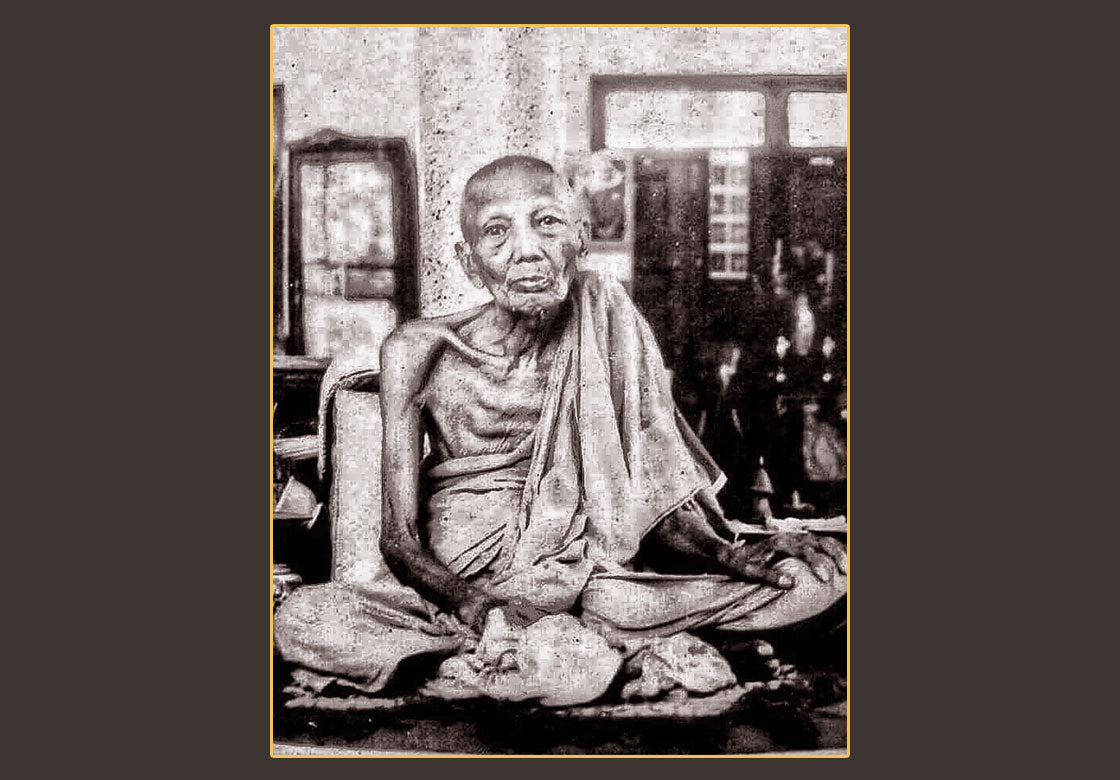
Luang Por Noi Inthasaro of Wat Thammasala was born on 12 May 1883 (B.E. 2426) in Ban Nong O, Tambon Thammasala, Mueang District, Nakhon Pathom Province. As a novice he studied under Luang Por Cha, Abbot of Wat Sam Krabue Phuak. He received full ordination on 28 May 1903 (B.E. 2446) at Wat Thammasala, with Phra Ajarn Thong of Wat Lumut as preceptor, Phra Kru Primanurak of Wat Thammasala as Dhamma teacher, and Phra Samu Saeng of Wat Mai as mentor. His monastic name was Inthasaro.
From a young age, Luang Por Noi had a strong foundation in Khmer script and deep meditative focus, enabling him to master Buddhist scriptures and mystical sciences rapidly. He studied under several revered teachers, including Phra Ajarn Thong (Wat Lumut), Phra Kru Primanurak (Wat Thammasala), Phra Kru Thaksinanukit (Ajarn Jaeng), and Phra Samu Saeng (Wat Mai).
Luang Por Noi adhered strictly to monastic discipline, practiced deep Vipassana meditation, and was known for his humility, simplicity, and immense compassion toward people and animals alike.
Some of his most notable students include:
- Luang Por Ngern (Wat Don Yai Hom) – a highly respected monk known for his amulets and mystical abilities.
- Luang Por Toh (Wat Pradoochimplee) – one of Thailand’s most famous monks, known for his Phra Pidta amulets and deep meditation practice.
- Luang Por Jong (Wat Na Tang Nok) – a well-known monk specializing in sacred amulets and traditional Thai mystical arts.
- Luang Por Cham (Wat Takong) – a revered monk known for his expertise in Metta (loving-kindness) and protection spells, and also master to LP Tae of Wat Sam Ngam.
- Luang Por Up of Wat Tongsai – known for Mae Nang Pim amulets.
These disciples continued spreading Luang Por Noi’s teachings, ensuring his legacy endured beyond his lifetime.
Luang Por Noi passed away on 17 November 1970 (B.E. 2513), at 6:34 p.m., at the age of 83, after 67 years in monkhood. His body remained incorrupt, a sign of his profound spiritual power. In 1973 (B.E. 2516), a four-gabled pavilion was constructed at Wat Thammasala to enshrine his remains, allowing devotees to continue paying their respects. His legacy endures through his teachings, sacred objects, and the countless people who honor his memory.
Occasionally we have some of his amulets. You can do a search or look in the “Top Grade” section of this store.
Shop authentic amulets at OOB Amulets.