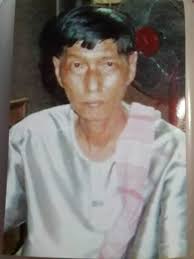
Arjan Wara is remembered as one of the more controversial yet highly effective Khmer-lineage sorcerers active in Thailand from the late 20th century. His name became well known due to his direct work with praai (spirits), oils, powders, and carved occult pieces, especially those centered on metta, attraction, and wealth.
Early Training
- He began studying Khmer wicha around age 14, particularly nam man praai (ghost oil) and saneh powders.
- His teachers included Khmer practitioners who taught him directly how to source funeral materials, herbs, and occult powders.
- His early experiments were self-tested, and by his own admission produced immediate and powerful results, which shaped his reputation.
Focus of His Wicha
- Metta Maha Saneh (charm and attraction): oils, carved woods, powders, and beeswax for love and charisma.
- Praai / Kumarn spirits: inviting spirits respectfully to reside within objects, not forced binding. His method involved asking consent of the spirit before enshrining it, ensuring that the entity would bless the keeper rather than harm them.
- Occult woods and carved talismans: classic examples include carved figures such as Pu Chao Saming Prai (tiger-spirit guardian), which he made for trusted students decades ago.
Magical Technique
He would consecrate by “anchoring” the four elements (earth, water, fire, air) and invoking the 32 body parts formula, essentially generating vitality and presence into each piece. This explains why one spirit’s essence could be extended across multiple objects, each still “alive” in their own right. He repeatedly taught the importance of baramee (merit authority): for an amulet or charm to work, both maker and user must uphold morality, gratitude to parents, and avoid misuse.
Philosophy
Arjan Wara openly acknowledged the dangers of youthful misuse — in his own life, reckless use of nam man praai led to turbulent relationships. Later in life, he emphasized karmic responsibility, discouraging “blind lust magic” and instead promoting metta, protection, and merit-anchored use.
He viewed amulets as a “supporting force, not the leader” — tools that magnify the user’s existing intent and virtue, rather than replacing them.
Legacy
Though he passed away, his spirits (praai, kumarn) remain bound to objects he consecrated, continuing to work with new caretakers if properly respected. His items are sought for metta, attraction, protection, and strong charm energy, with collectors and keepers across Thailand and abroad testifying to their potency.
Shop authentic amulets at OOB Amulets.