Quick facts
- Died: late January 2024
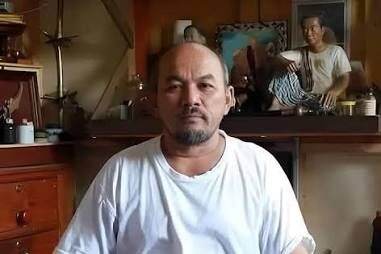
Arjan Dar Prakan, also known as Ajarn Da Prakarn, was a respected Thai lay master of sacred tattooing and traditional occult knowledge. Disciples affectionately called him Father Da. He is remembered through the teachings of Ban Sila, his distinctive sacred designs, and the relationships he built with those who came to learn from him.
An earlier biographical account records his birth name as Apicha Pangsue and remembers him as a compassionate teacher who welcomed followers from Thailand and abroad.
From Samut Prakan to Ban Sila
His teaching life was associated first with Samut Prakan and later with Ban Sila in Bueng Phra, Phitsanulok. Disciples recall visiting him near Wat Trai in Samut Prakan, where his home became a place for sacred tattooing, conversation and instruction. Recordings of Ban Sila in Phitsanulok preserve another chapter of this community and its continuing respect for the teacher.
A Tradition Passed from Teacher to Student
Traditional accounts place Arjan Dar within the lineage of Pu Thieng Nuammanah, also known as Por Thieng, of Ban Mee Dee at Wat Thong in Thonburi, remembered as an important teacher of sak yant. His transmission is traced through Ajarn Prapas Jongsanguanpradap, described as a learned lay practitioner, an early disciple of Pu Thieng and an early tattooist in that lineage. His earlier biography describes the inheritance of traditional texts, ritual knowledge and sacred tattooing methods through this relationship.
Thai lineage accounts also associate his knowledge with the Wat Samo Koti tradition and its boar and copper-turtle yantras. His earlier biography names a Nonthaburi tradition as Wat Samorakot and links it with Luang Pu Suea, Ajarn Bok and Luang Pu Taek Sukhemo. It describes Phaya Moo Narai and Phaya Tao Thong Daeng as sacred designs connected with particular ritual periods and closely guarded methods.
That earlier account additionally credits him with knowledge from the lineage of Luang Pu Thong of Wat Ratchayotha. Together, these remembered transmissions describe a teacher whose work joined established ritual discipline with a broad command of traditional yantra designs.
Within this teacher-centred tradition, sacred knowledge encompasses handwritten diagrams, ritual recitation, tattooing and the blessing of sacred objects. Respect for the khru, or teacher, gives the transmission its personal character: instruction is carried through an ongoing relationship between the person teaching and the person learning.
Moo Kha Ke and the Sacred Boar Traditions
Arjan Dar became especially associated with Moo Kha Ke, the crooked-legged boar yantra, also recorded as Phaya Moo Kha Kae. Its distinctive form became a recognisable expression of his school and appears in accounts of both his sacred tattooing and amulets. His earlier biography also highlights the Phaya Moo Thong Daeng tradition.
For devotees, these designs carry associations with protection, safe travel, charm, fortune and personal confidence. Disciples shared accounts of their own experiences, contributing to his reputation within the Thai sak yant community. These devotional meanings express the faith followers place in the teachings and sacred designs of the lineage.
The yantras also preserve a personal connection with the master. Their importance lies both in their traditional symbolism and in the memory of the teacher who passed them on.
The Teacher Remembered by Then Sila
In a recorded interview, his disciple Ajarn Then Sila recalled first visiting Arjan Dar near Wat Trai around 2013–2014. Regular visits followed, and their relationship gradually developed into one of teacher and student.
Then remembered a direct-speaking man who enjoyed joking with familiar disciples. His recollections describe a teacher who took an interest in those around him, shared conversation freely and was reluctant to accept unsolicited money. The interview also recalls his skill in drawing and handwritten sacred designs.
These memories give warmth to the story of Ban Sila. Alongside ritual knowledge, disciples treasured the humour, familiarity and everyday generosity that shaped their time with Father Da. His earlier biography similarly remembers his humility, kindness and reverence for teachers and Buddhist principles.
The Legacy of Ban Sila
His earlier biographical account records that Arjan Dar passed away peacefully in late January 2024. His followers continue to honour him through remembrance, ceremonies and the teachings they received. Recordings of the school and his farewell observances preserve the affection of a community that regarded him as both a teacher and a father figure.
His legacy remains in the sacred designs associated with his name, the knowledge carried by his disciples and the traditions of Ban Sila. For his followers, preserving that inheritance means carrying forward a living teacher lineage, its discipline and its respect for the khru. The sacred knowledge he entrusted to them, together with their personal memories, continues the story of Father Da.
Shop authentic amulets at OOB Amulets.